#4-6220 Highway 2A, Lacombe, AB T4L2G5

By Aurora Dental Group | September 21, 2026
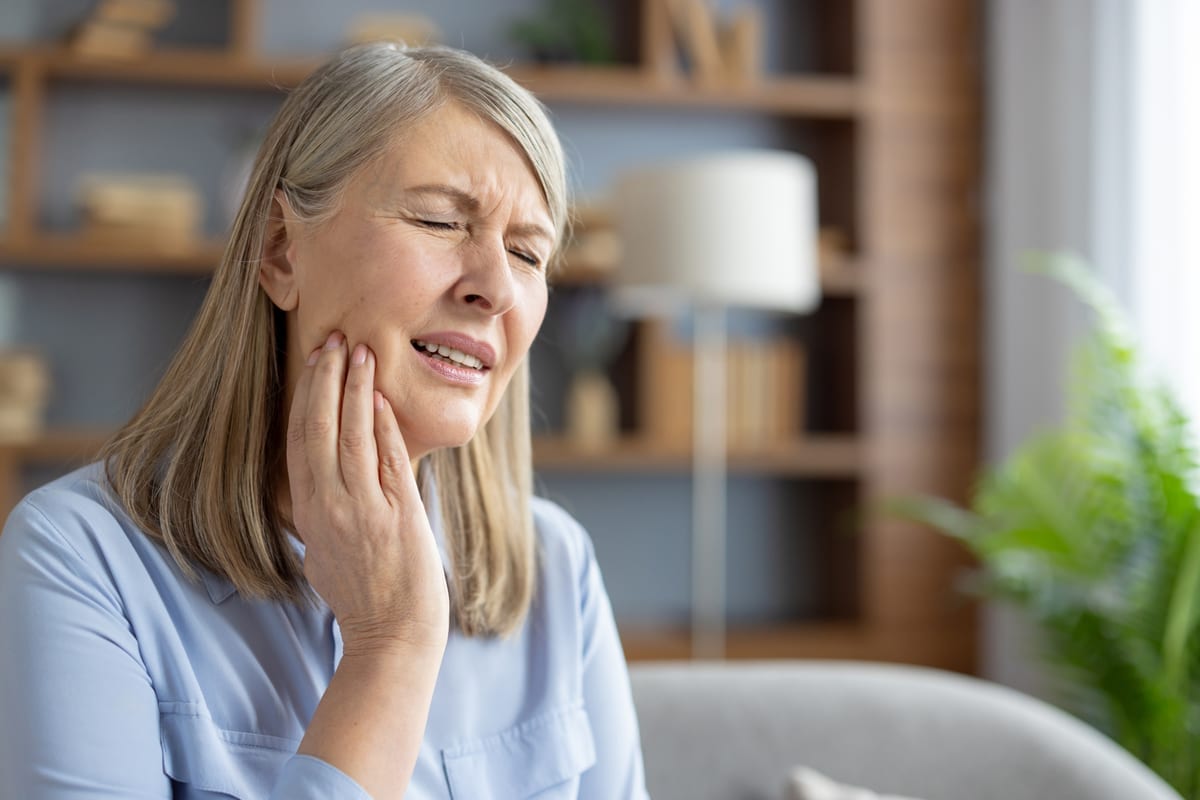
If you have ever wondered why does teeth whitening hurt and how to stop it in Lacombe, you are not alone. Tooth sensitivity during or after whitening is one of the most common concerns patients share with us. The good news is that this discomfort is temporary and very manageable. Understanding why it happens helps you make smarter decisions about your smile.
At Aurora Dental Group, Dr. Brock Wilde and our team want every patient to feel confident before starting any whitening treatment. Whether you are exploring Cosmetic Dentistry Lacombe options or simply curious about at-home kits, this guide is for you. We will walk you through the science, the solutions, and the steps you can take right now.
Why Does Teeth Whitening Cause Sensitivity?
Whitening products use peroxide-based gels to break down stains on your enamel. These gels penetrate the enamel layer and reach the inner part of your tooth called the dentin. Dentin contains tiny fluid-filled tubes that connect directly to your tooth’s nerve. When peroxide reaches these tubes, it can trigger a sharp or achy sensation.
The concentration of the whitening agent matters enormously. Higher concentrations work faster but increase the chance of sensitivity. Overusing whitening products also strips enamel and exposes more dentin over time. This is why professional guidance makes such a big difference.
Some patients are simply more prone to sensitivity than others. Pre-existing conditions like gum recession, cracked teeth, or cavities can intensify discomfort. Your dentist will assess these factors before recommending any whitening approach. Knowing your baseline oral health is the first step to a comfortable experience.
How Dentists in Lacombe Minimize Whitening Pain
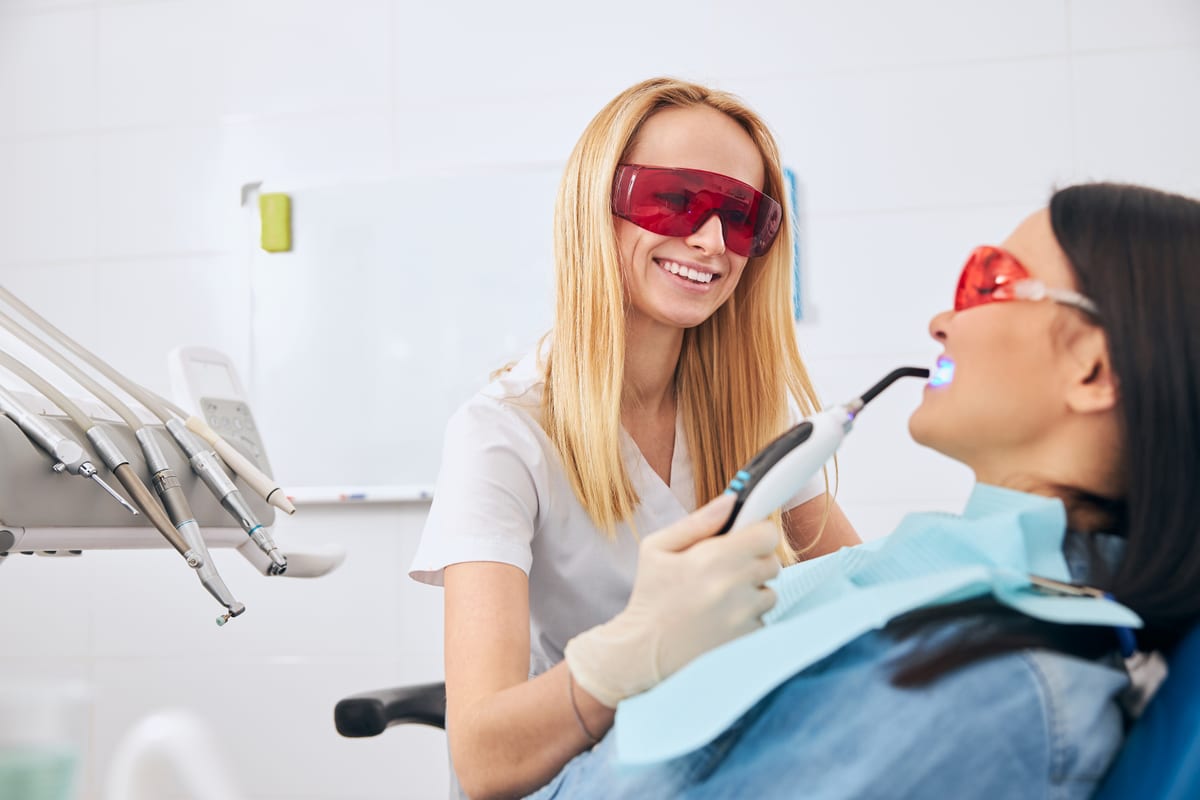
Professional whitening done at a dental office includes several built-in safeguards. Dr. Brock Wilde customizes treatment based on each patient’s sensitivity levels and enamel health. This personalized approach dramatically reduces the risk of pain. It is one of the clearest advantages of choosing professional care over store-bought products.
Here is what a professional whitening visit typically includes to protect your comfort:
- A thorough oral exam to rule out cavities and gum issues before treatment
- Custom-fitted whitening trays that prevent gel from touching the gums
- Lower peroxide concentrations used over carefully timed sessions
- Desensitizing agents applied before or after the whitening gel
- Real-time monitoring so treatment stops if discomfort rises
Dentists also use fluoride treatments after whitening to remineralize enamel. This speeds up recovery and reduces lingering sensitivity. The combination of precision and professional products creates results that are both effective and comfortable. You get a brighter smile without unnecessary suffering.
What You Can Do at Home to Stop Whitening Sensitivity
Managing sensitivity at home is absolutely possible with the right strategies. Many patients find that small adjustments before, during, and after treatment make a huge difference. You do not have to push through discomfort. There are practical steps that genuinely help.
Before whitening, try these approaches to prepare your teeth:
- Switch to a toothpaste for sensitive teeth at least two weeks before treatment
- Avoid extremely hot or cold foods and drinks on whitening days
- Ask your dentist about pre-treatment fluoride gel applications
- Brush gently with a soft-bristled toothbrush to avoid further enamel wear
During whitening, reduce session time if you notice sharp sensitivity. Do not leave trays in longer than recommended just to speed up results. Shorter, more frequent sessions often work better for sensitive patients. Patience leads to less pain and equally beautiful results.
After whitening, give your teeth time to recover before your next session. Avoid acidic foods like citrus and vinegar for at least 48 hours. Use a desensitizing gel in your tray as directed by your dentist. These simple habits significantly reduce discomfort between sessions.
When to See Dr. Brock Wilde About Whitening Sensitivity
Most whitening sensitivity fades within 24 to 72 hours after treatment. If pain persists beyond that window, something else may be going on. Prolonged sensitivity can signal underlying issues like enamel erosion or an undetected crack. This is when a professional evaluation becomes essential.
You should contact Aurora Dental Group right away if you experience any of the following:
- Sharp, lingering pain that lasts more than three days
- Sensitivity spreading to multiple teeth unexpectedly
- Visible gum irritation, redness, or swelling after whitening
- Tooth pain that occurs spontaneously without any trigger
These symptoms are not typical and deserve professional attention. Dr. Wilde can determine whether your whitening plan needs adjusting. He may recommend a different product concentration or a temporary break from treatment. Your long-term oral health always comes first.
As part of our General Dentistry Lacombe services, we include sensitivity assessments with every cosmetic consultation. This ensures no patient starts whitening without a clear, safe plan. We believe informed patients make the best decisions for their smiles.
Choosing the Right Whitening Option in Lacombe
Not all whitening treatments are created equal. Over-the-counter strips and gels are convenient but often cause more sensitivity. They use one-size-fits-all trays that let gel leak onto gum tissue. This increases irritation and reduces the effectiveness of the treatment.
Professional whitening at Aurora Dental Group is tailored specifically to you. We consider your enamel thickness, current sensitivity levels, and your whitening goals. This means fewer side effects and more predictable results. It is a smarter investment in your smile and your comfort.
For patients who prefer at-home whitening, we offer custom take-home trays with professional-grade gels. These trays fit your teeth precisely and minimize gel contact with gums. You get the convenience of home use with the safety of professional oversight. Dr. Wilde monitors your progress and adjusts the plan if needed.
Frequently Asked Questions
Is teeth whitening sensitivity permanent?
No, whitening sensitivity is almost always temporary. Most patients notice discomfort only during treatment and for up to 72 hours afterward. Using desensitizing toothpaste and following your dentist’s instructions helps speed up recovery. If sensitivity lasts longer than a few days, contact your dental office for guidance.
Can people with sensitive teeth still whiten safely?
Yes, patients with sensitive teeth can still achieve great whitening results. The key is using lower concentrations, shorter sessions, and desensitizing products. A dentist will assess your sensitivity level and customize a plan that works for you. Professional supervision makes whitening much safer for sensitive individuals.
Does professional whitening hurt more than store-bought kits?
Professional whitening is generally less painful than over-the-counter options. Dentists use custom trays, controlled concentrations, and protective measures that reduce irritation. Store-bought products often use ill-fitting trays that let gel touch your gums. The result is more discomfort and less predictable whitening with at-home kits.
How soon after whitening can I eat normally?
It is best to avoid very hot, cold, or acidic foods for at least 48 hours after whitening. Your enamel is temporarily more porous after treatment and more vulnerable to staining and sensitivity. Stick to mild-temperature foods and neutral beverages during this window. After 48 hours, you can gradually return to your regular diet.
How often should I whiten my teeth?
Most patients benefit from professional whitening once or twice per year. Over-whitening can weaken enamel and dramatically increase sensitivity over time. Your dentist will recommend a schedule based on your specific goals and oral health. Maintenance with whitening toothpaste between sessions helps extend your results safely.
Ready to brighten your smile without the worry of painful sensitivity? Dr. Brock Wilde and the Aurora Dental Group team are here to guide you every step of the way. Book Now to schedule your appointment with our team.